Buy campingmap.net ?
We are moving the project
campingmap.net .
Are you interested in purchasing the domain
campingmap.net ?
domain@kv-gmbh.de · 0541-91531010
Buy campingmap.net ?
How does sodium occur in nature?
Sodium occurs in nature primarily in the form of sodium chloride, or table salt. It is also found in various minerals such as halite, thenardite, and trona. Sodium can be found in seawater, where it is the most abundant metal, and in the Earth's crust. It is also present in some plants and animals, as it is an essential element for biological processes. **
Why are sodium and chlorine not found in nature, but sodium chloride is?
Sodium and chlorine are highly reactive elements on their own, making them unlikely to exist in their pure form in nature. However, when sodium and chlorine combine, they form sodium chloride (table salt), which is a stable compound that is commonly found in nature. Sodium chloride is formed through the chemical bonding of sodium and chlorine atoms, creating a balanced and stable compound that is more commonly found in nature than the individual elements. **

Similar search terms for Sodium
Top-Angebote
Products related to Sodium:
-
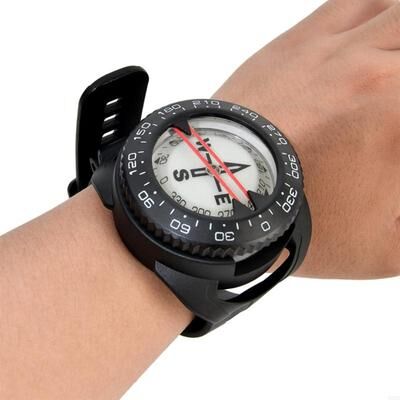
Multisell Products Hub Waterproof Diving Compass Watch For Scuba Navigation And Outdoor Adventure Waterproof Diving Compass Watch For Scuba Navigation And Outdoor AdventureThis reliable diving compass watch is built for those who refuse to lose direction when it matters most. Whether you are exploring beneath the surface or navigating open waters, this tool keeps you confidently on course. Designed for swimmers,...59,97 $*Shipping: 0,00 $Secure redirect to the provider
-
Smart Shopping Spot Portable Stove Burner With Windproof Design For Backpacking & Hiking greenExperience the freedom to cook anywhere with this compact yet powerful portable camping stove built for outdoor adventurers. Designed for hikers, backpackers, and campers, it delivers reliable heat in challenging conditions thanks to its windproof...59,97 $*Shipping: 0,00 $Secure redirect to the provider
-
Multisell Products Hub Tactical Wrist Compass Watch For Hiking, Survival Navigation Gear Tactical Wrist Compass Watch For Hiking, Survival Navigation GearCrafted for those who refuse to get lost, this wrist compass keeps your direction clear when it matters most. Designed for hikers, campers, and outdoor explorers, it delivers reliable navigation without the bulk of traditional gear. The secure strap...59,97 $*Shipping: 0,00 $Secure redirect to the provider
-
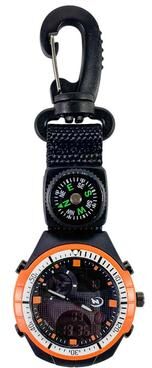
Multisell Products Hub Outdoor Hiking Watch With Compass & Carabiner Survival Sports Pocket Watch For Camping, Hiking, And Backpacking orangeGear up for your next adventure with the Hiking Watch designed for explorers, outdoor enthusiasts, and adventurers alike. This allinone survival gadget combines a precision compass, sports pocket watch, and carabiner for easy attachment to your...44,97 $*Shipping: 0,00 $Secure redirect to the provider



-
How much sodium is in sodium bicarbonate?
Sodium bicarbonate, also known as baking soda, is composed of about 27.4% sodium by weight. This means that for every 100 grams of sodium bicarbonate, there is approximately 27.4 grams of sodium. It is important to note that while sodium bicarbonate contains sodium, it is not as high in sodium content as other sodium-based compounds. **
-
Why are the chemical elements sodium and chlorine not found in nature, but their compound sodium chloride is?
Sodium and chlorine are highly reactive elements that are not found in their pure form in nature. Sodium is a highly reactive metal that readily forms compounds with other elements, while chlorine is a toxic gas that also readily combines with other elements. When sodium and chlorine come into contact, they react to form sodium chloride, which is stable and commonly found in nature as the mineral halite or in seawater. Therefore, the compound sodium chloride is found in nature because it is the stable form that results from the combination of these highly reactive elements. **
-
How do sodium chloride and sodium chlorate differ?
Sodium chloride and sodium chlorate differ in their chemical composition and uses. Sodium chloride, commonly known as table salt, is a simple ionic compound composed of sodium and chloride ions. It is used as a seasoning and preservative in food, as well as in various industrial processes. On the other hand, sodium chlorate is a chemical compound containing sodium, chlorine, and oxygen. It is used as an herbicide, a bleaching agent, and in the production of chlorine dioxide. Additionally, sodium chlorate is more toxic than sodium chloride and should be handled with care. **
-
Why are the chemical elements sodium and chlorine found separately in nature, but their compound sodium chloride is not?
Sodium and chlorine are both highly reactive elements that are not found in their pure form in nature. Sodium is a highly reactive metal that readily reacts with water or air, while chlorine is a toxic gas. However, when sodium and chlorine react together, they form a stable compound called sodium chloride (table salt). This compound is not found separately in nature because the strong ionic bond between sodium and chlorine atoms keeps them together in a stable form. **


How can sodium oxide and sodium hydroxide be detected?
Sodium oxide can be detected by performing a flame test, where the compound is heated in a flame and the characteristic yellow color of sodium is observed. Sodium hydroxide can be detected by adding a few drops of phenolphthalein indicator to a solution suspected to contain the compound; a pink color change indicates the presence of sodium hydroxide. Additionally, both compounds can be identified through chemical reactions with specific reagents that produce characteristic precipitates or color changes. **
What is the difference between sodium and sodium fluoride?
Sodium is a chemical element with the symbol Na and atomic number 11, while sodium fluoride is a chemical compound composed of sodium and fluoride ions with the formula NaF. The main difference between the two is that sodium is a pure element, while sodium fluoride is a compound formed by the combination of sodium and fluoride ions. Sodium fluoride is commonly used in toothpaste and water fluoridation to prevent tooth decay, while sodium is a highly reactive metal that is commonly found in salts and other compounds. **
Top-Angebote
Products related to Sodium:
-
ModernMart Adventure Waterproof Compass Watch For Hiking Navigation And Outdoor Survival Adventure Waterproof Compass Watch For Hiking Navigation And Outdoor SurvivalNever lose your sense of direction, even in the wild. This compass watch is built for explorers, hikers, and outdoor enthusiasts who need reliable navigation on the go. Designed as a rugged outdoor survival watch, it combines precision direction...79,97 $*Shipping: 0,00 $Secure redirect to the provider
-
Wakeman Outdoors Folding Campfire Grill Grate With GlovesCook meals over an open flame with this portable folding grill grate built for camping, fire pits, and outdoor adventures. Made from solid iron with a food-safe surface, it arrives fully assembled and ready to use with no seasoning required.47,49 $*Shipping: 0,00 $Secure redirect to the provider
-
Multisell Products Hub Waterproof Diving Compass Watch For Scuba Navigation And Outdoor Adventure Waterproof Diving Compass Watch For Scuba Navigation And Outdoor AdventureThis reliable diving compass watch is built for those who refuse to lose direction when it matters most. Whether you are exploring beneath the surface or navigating open waters, this tool keeps you confidently on course. Designed for swimmers,...59,97 $*Shipping: 0,00 $Secure redirect to the provider
-
Smart Shopping Spot Portable Stove Burner With Windproof Design For Backpacking & Hiking greenExperience the freedom to cook anywhere with this compact yet powerful portable camping stove built for outdoor adventurers. Designed for hikers, backpackers, and campers, it delivers reliable heat in challenging conditions thanks to its windproof...59,97 $*Shipping: 0,00 $Secure redirect to the provider
-
How does sodium occur in nature?
Sodium occurs in nature primarily in the form of sodium chloride, or table salt. It is also found in various minerals such as halite, thenardite, and trona. Sodium can be found in seawater, where it is the most abundant metal, and in the Earth's crust. It is also present in some plants and animals, as it is an essential element for biological processes. **
-
Why are sodium and chlorine not found in nature, but sodium chloride is?
Sodium and chlorine are highly reactive elements on their own, making them unlikely to exist in their pure form in nature. However, when sodium and chlorine combine, they form sodium chloride (table salt), which is a stable compound that is commonly found in nature. Sodium chloride is formed through the chemical bonding of sodium and chlorine atoms, creating a balanced and stable compound that is more commonly found in nature than the individual elements. **
-
How much sodium is in sodium bicarbonate?
Sodium bicarbonate, also known as baking soda, is composed of about 27.4% sodium by weight. This means that for every 100 grams of sodium bicarbonate, there is approximately 27.4 grams of sodium. It is important to note that while sodium bicarbonate contains sodium, it is not as high in sodium content as other sodium-based compounds. **
-
Why are the chemical elements sodium and chlorine not found in nature, but their compound sodium chloride is?
Sodium and chlorine are highly reactive elements that are not found in their pure form in nature. Sodium is a highly reactive metal that readily forms compounds with other elements, while chlorine is a toxic gas that also readily combines with other elements. When sodium and chlorine come into contact, they react to form sodium chloride, which is stable and commonly found in nature as the mineral halite or in seawater. Therefore, the compound sodium chloride is found in nature because it is the stable form that results from the combination of these highly reactive elements. **
Similar search terms for Sodium
-
Multisell Products Hub Tactical Wrist Compass Watch For Hiking, Survival Navigation Gear Tactical Wrist Compass Watch For Hiking, Survival Navigation GearCrafted for those who refuse to get lost, this wrist compass keeps your direction clear when it matters most. Designed for hikers, campers, and outdoor explorers, it delivers reliable navigation without the bulk of traditional gear. The secure strap...59,97 $*Shipping: 0,00 $Secure redirect to the provider
-
Multisell Products Hub Outdoor Hiking Watch With Compass & Carabiner Survival Sports Pocket Watch For Camping, Hiking, And Backpacking orangeGear up for your next adventure with the Hiking Watch designed for explorers, outdoor enthusiasts, and adventurers alike. This allinone survival gadget combines a precision compass, sports pocket watch, and carabiner for easy attachment to your...44,97 $*Shipping: 0,00 $Secure redirect to the provider
-
Smart Shopping Spot Portable Stove Burner With Windproof Design For Backpacking & Hiking blackExperience the freedom to cook anywhere with this compact yet powerful portable camping stove built for outdoor adventurers. Designed for hikers, backpackers, and campers, it delivers reliable heat in challenging conditions thanks to its windproof...59,97 $*Shipping: 0,00 $Secure redirect to the provider
-
Smart Shopping Spot Portable Stove Burner With Windproof Design For Backpacking & Hiking greyExperience the freedom to cook anywhere with this compact yet powerful portable camping stove built for outdoor adventurers. Designed for hikers, backpackers, and campers, it delivers reliable heat in challenging conditions thanks to its windproof...59,97 $*Shipping: 0,00 $Secure redirect to the provider
-
How do sodium chloride and sodium chlorate differ?
Sodium chloride and sodium chlorate differ in their chemical composition and uses. Sodium chloride, commonly known as table salt, is a simple ionic compound composed of sodium and chloride ions. It is used as a seasoning and preservative in food, as well as in various industrial processes. On the other hand, sodium chlorate is a chemical compound containing sodium, chlorine, and oxygen. It is used as an herbicide, a bleaching agent, and in the production of chlorine dioxide. Additionally, sodium chlorate is more toxic than sodium chloride and should be handled with care. **
-
Why are the chemical elements sodium and chlorine found separately in nature, but their compound sodium chloride is not?
Sodium and chlorine are both highly reactive elements that are not found in their pure form in nature. Sodium is a highly reactive metal that readily reacts with water or air, while chlorine is a toxic gas. However, when sodium and chlorine react together, they form a stable compound called sodium chloride (table salt). This compound is not found separately in nature because the strong ionic bond between sodium and chlorine atoms keeps them together in a stable form. **
-
How can sodium oxide and sodium hydroxide be detected?
Sodium oxide can be detected by performing a flame test, where the compound is heated in a flame and the characteristic yellow color of sodium is observed. Sodium hydroxide can be detected by adding a few drops of phenolphthalein indicator to a solution suspected to contain the compound; a pink color change indicates the presence of sodium hydroxide. Additionally, both compounds can be identified through chemical reactions with specific reagents that produce characteristic precipitates or color changes. **
-
What is the difference between sodium and sodium fluoride?
Sodium is a chemical element with the symbol Na and atomic number 11, while sodium fluoride is a chemical compound composed of sodium and fluoride ions with the formula NaF. The main difference between the two is that sodium is a pure element, while sodium fluoride is a compound formed by the combination of sodium and fluoride ions. Sodium fluoride is commonly used in toothpaste and water fluoridation to prevent tooth decay, while sodium is a highly reactive metal that is commonly found in salts and other compounds. **
* All prices are inclusive of VAT and, if applicable, plus shipping costs. The offer information is based on the details provided by the respective shop and is updated through automated processes. Real-time updates do not occur, so deviations can occur in individual cases. ** Note: Parts of this content were created by AI.