Buy campingmap.net ?
We are moving the project
campingmap.net .
Are you interested in purchasing the domain
campingmap.net ?
domain@kv-gmbh.de · 0541-91531010
Buy campingmap.net ?
How do dipole-dipole forces affect the boiling temperature?
Dipole-dipole forces are attractive forces between the positive end of one polar molecule and the negative end of another polar molecule. These forces cause the molecules to be attracted to each other and stick together, making it more difficult for them to break apart and become a gas. As a result, substances with stronger dipole-dipole forces will have higher boiling temperatures because more energy is required to overcome these attractive forces and turn the substance into a gas. Therefore, the presence of dipole-dipole forces can increase the boiling temperature of a substance. **
Why are hydrogen bonds stronger than dipole-dipole interactions?
Hydrogen bonds are stronger than dipole-dipole interactions because they involve a specific interaction between a hydrogen atom and a highly electronegative atom such as oxygen, nitrogen, or fluorine. This creates a strong partial positive charge on the hydrogen atom and a strong partial negative charge on the electronegative atom, leading to a strong attraction between the two. In contrast, dipole-dipole interactions occur between the partial positive and negative charges of polar molecules, which are generally weaker than the specific interaction between a hydrogen atom and a highly electronegative atom in a hydrogen bond. **

Similar search terms for Dipole
Top-Angebote
Products related to Dipole:
-
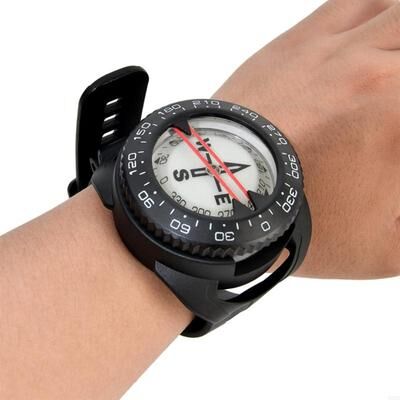
Multisell Products Hub Waterproof Diving Compass Watch For Scuba Navigation And Outdoor Adventure Waterproof Diving Compass Watch For Scuba Navigation And Outdoor AdventureThis reliable diving compass watch is built for those who refuse to lose direction when it matters most. Whether you are exploring beneath the surface or navigating open waters, this tool keeps you confidently on course. Designed for swimmers,...59,97 $*Shipping: 0,00 $Secure redirect to the provider
-
Smart Shopping Spot Portable Stove Burner With Windproof Design For Backpacking & Hiking greenExperience the freedom to cook anywhere with this compact yet powerful portable camping stove built for outdoor adventurers. Designed for hikers, backpackers, and campers, it delivers reliable heat in challenging conditions thanks to its windproof...59,97 $*Shipping: 0,00 $Secure redirect to the provider
-
Multisell Products Hub Tactical Wrist Compass Watch For Hiking, Survival Navigation Gear Tactical Wrist Compass Watch For Hiking, Survival Navigation GearCrafted for those who refuse to get lost, this wrist compass keeps your direction clear when it matters most. Designed for hikers, campers, and outdoor explorers, it delivers reliable navigation without the bulk of traditional gear. The secure strap...59,97 $*Shipping: 0,00 $Secure redirect to the provider
-
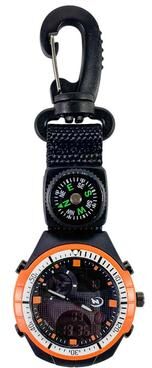
Multisell Products Hub Outdoor Hiking Watch With Compass & Carabiner Survival Sports Pocket Watch For Camping, Hiking, And Backpacking orangeGear up for your next adventure with the Hiking Watch designed for explorers, outdoor enthusiasts, and adventurers alike. This allinone survival gadget combines a precision compass, sports pocket watch, and carabiner for easy attachment to your...44,97 $*Shipping: 0,00 $Secure redirect to the provider



-
Why do ethers have only weak dipole-dipole interactions?
Ethers have only weak dipole-dipole interactions because the oxygen atom in the ether molecule is less electronegative than the oxygen atom in alcohols or the nitrogen atom in amines. This results in a smaller difference in electronegativity between the oxygen and the carbon atoms in the ether molecule, leading to weaker dipole moments. As a result, the overall dipole-dipole interactions in ethers are weaker compared to molecules with larger electronegativity differences, such as alcohols and amines. **
-
Is the ammonia molecule a dipole or not a dipole?
The ammonia molecule is a dipole. This is because the molecule has a trigonal pyramidal shape with a lone pair of electrons on the nitrogen atom. The electronegativity difference between nitrogen and hydrogen causes the molecule to have a net dipole moment, with the nitrogen end being partially negative and the hydrogen end being partially positive. This makes ammonia a polar molecule. **
-
Why is CO2 not a dipole and H2O a dipole?
CO2 is not a dipole because it has a linear molecular geometry, meaning the two oxygen atoms are symmetrically arranged around the central carbon atom, resulting in a net dipole moment of zero. On the other hand, H2O is a dipole because it has a bent molecular geometry, causing the oxygen atom to pull the shared electrons closer to itself, resulting in a net dipole moment. This uneven distribution of charge creates a positive end (the hydrogen atoms) and a negative end (the oxygen atom), making H2O a polar molecule. **
-
When do Van der Waals forces and dipole-dipole interactions occur?
Van der Waals forces occur between all atoms and molecules, regardless of their polarity, due to temporary fluctuations in electron distribution. Dipole-dipole interactions, on the other hand, occur between polar molecules that have a permanent separation of positive and negative charges. Both types of interactions are important in determining the physical properties of substances, such as their boiling and melting points, and play a significant role in the behavior of gases, liquids, and solids. **


What is the difference between dipole-dipole forces and hydrogen bonds?
Dipole-dipole forces are attractive forces between the positive end of one polar molecule and the negative end of another polar molecule. These forces occur between any two polar molecules and are relatively weaker than hydrogen bonds. On the other hand, hydrogen bonds are a specific type of dipole-dipole force that occurs between a hydrogen atom bonded to a highly electronegative atom (such as oxygen, nitrogen, or fluorine) and a lone pair of electrons on another highly electronegative atom. This type of bond is stronger than regular dipole-dipole forces and is responsible for the unique properties of water and other molecules with hydrogen bonding. **
What is the difference between hydrogen bonding and dipole-dipole interactions?
Hydrogen bonding is a specific type of dipole-dipole interaction that occurs between a hydrogen atom bonded to a highly electronegative atom (such as oxygen, nitrogen, or fluorine) and another electronegative atom in a different molecule. This type of interaction is stronger than regular dipole-dipole interactions because of the large electronegativity difference between the hydrogen and the other atom, resulting in a stronger attraction between the molecules. In contrast, dipole-dipole interactions occur between the positive end of one polar molecule and the negative end of another polar molecule, but do not involve a hydrogen atom bonded to a highly electronegative atom. **
Top-Angebote
Products related to Dipole:
-
ModernMart Adventure Waterproof Compass Watch For Hiking Navigation And Outdoor Survival Adventure Waterproof Compass Watch For Hiking Navigation And Outdoor SurvivalNever lose your sense of direction, even in the wild. This compass watch is built for explorers, hikers, and outdoor enthusiasts who need reliable navigation on the go. Designed as a rugged outdoor survival watch, it combines precision direction...79,97 $*Shipping: 0,00 $Secure redirect to the provider
-
Wakeman Outdoors Folding Campfire Grill Grate With GlovesCook meals over an open flame with this portable folding grill grate built for camping, fire pits, and outdoor adventures. Made from solid iron with a food-safe surface, it arrives fully assembled and ready to use with no seasoning required.47,49 $*Shipping: 0,00 $Secure redirect to the provider
-
Multisell Products Hub Waterproof Diving Compass Watch For Scuba Navigation And Outdoor Adventure Waterproof Diving Compass Watch For Scuba Navigation And Outdoor AdventureThis reliable diving compass watch is built for those who refuse to lose direction when it matters most. Whether you are exploring beneath the surface or navigating open waters, this tool keeps you confidently on course. Designed for swimmers,...59,97 $*Shipping: 0,00 $Secure redirect to the provider
-
Smart Shopping Spot Portable Stove Burner With Windproof Design For Backpacking & Hiking greenExperience the freedom to cook anywhere with this compact yet powerful portable camping stove built for outdoor adventurers. Designed for hikers, backpackers, and campers, it delivers reliable heat in challenging conditions thanks to its windproof...59,97 $*Shipping: 0,00 $Secure redirect to the provider
-
How do dipole-dipole forces affect the boiling temperature?
Dipole-dipole forces are attractive forces between the positive end of one polar molecule and the negative end of another polar molecule. These forces cause the molecules to be attracted to each other and stick together, making it more difficult for them to break apart and become a gas. As a result, substances with stronger dipole-dipole forces will have higher boiling temperatures because more energy is required to overcome these attractive forces and turn the substance into a gas. Therefore, the presence of dipole-dipole forces can increase the boiling temperature of a substance. **
-
Why are hydrogen bonds stronger than dipole-dipole interactions?
Hydrogen bonds are stronger than dipole-dipole interactions because they involve a specific interaction between a hydrogen atom and a highly electronegative atom such as oxygen, nitrogen, or fluorine. This creates a strong partial positive charge on the hydrogen atom and a strong partial negative charge on the electronegative atom, leading to a strong attraction between the two. In contrast, dipole-dipole interactions occur between the partial positive and negative charges of polar molecules, which are generally weaker than the specific interaction between a hydrogen atom and a highly electronegative atom in a hydrogen bond. **
-
Why do ethers have only weak dipole-dipole interactions?
Ethers have only weak dipole-dipole interactions because the oxygen atom in the ether molecule is less electronegative than the oxygen atom in alcohols or the nitrogen atom in amines. This results in a smaller difference in electronegativity between the oxygen and the carbon atoms in the ether molecule, leading to weaker dipole moments. As a result, the overall dipole-dipole interactions in ethers are weaker compared to molecules with larger electronegativity differences, such as alcohols and amines. **
-
Is the ammonia molecule a dipole or not a dipole?
The ammonia molecule is a dipole. This is because the molecule has a trigonal pyramidal shape with a lone pair of electrons on the nitrogen atom. The electronegativity difference between nitrogen and hydrogen causes the molecule to have a net dipole moment, with the nitrogen end being partially negative and the hydrogen end being partially positive. This makes ammonia a polar molecule. **
Similar search terms for Dipole
-
Multisell Products Hub Tactical Wrist Compass Watch For Hiking, Survival Navigation Gear Tactical Wrist Compass Watch For Hiking, Survival Navigation GearCrafted for those who refuse to get lost, this wrist compass keeps your direction clear when it matters most. Designed for hikers, campers, and outdoor explorers, it delivers reliable navigation without the bulk of traditional gear. The secure strap...59,97 $*Shipping: 0,00 $Secure redirect to the provider
-
Multisell Products Hub Outdoor Hiking Watch With Compass & Carabiner Survival Sports Pocket Watch For Camping, Hiking, And Backpacking orangeGear up for your next adventure with the Hiking Watch designed for explorers, outdoor enthusiasts, and adventurers alike. This allinone survival gadget combines a precision compass, sports pocket watch, and carabiner for easy attachment to your...44,97 $*Shipping: 0,00 $Secure redirect to the provider
-
Smart Shopping Spot Portable Stove Burner With Windproof Design For Backpacking & Hiking blackExperience the freedom to cook anywhere with this compact yet powerful portable camping stove built for outdoor adventurers. Designed for hikers, backpackers, and campers, it delivers reliable heat in challenging conditions thanks to its windproof...59,97 $*Shipping: 0,00 $Secure redirect to the provider
-
Smart Shopping Spot Portable Stove Burner With Windproof Design For Backpacking & Hiking greyExperience the freedom to cook anywhere with this compact yet powerful portable camping stove built for outdoor adventurers. Designed for hikers, backpackers, and campers, it delivers reliable heat in challenging conditions thanks to its windproof...59,97 $*Shipping: 0,00 $Secure redirect to the provider
-
Why is CO2 not a dipole and H2O a dipole?
CO2 is not a dipole because it has a linear molecular geometry, meaning the two oxygen atoms are symmetrically arranged around the central carbon atom, resulting in a net dipole moment of zero. On the other hand, H2O is a dipole because it has a bent molecular geometry, causing the oxygen atom to pull the shared electrons closer to itself, resulting in a net dipole moment. This uneven distribution of charge creates a positive end (the hydrogen atoms) and a negative end (the oxygen atom), making H2O a polar molecule. **
-
When do Van der Waals forces and dipole-dipole interactions occur?
Van der Waals forces occur between all atoms and molecules, regardless of their polarity, due to temporary fluctuations in electron distribution. Dipole-dipole interactions, on the other hand, occur between polar molecules that have a permanent separation of positive and negative charges. Both types of interactions are important in determining the physical properties of substances, such as their boiling and melting points, and play a significant role in the behavior of gases, liquids, and solids. **
-
What is the difference between dipole-dipole forces and hydrogen bonds?
Dipole-dipole forces are attractive forces between the positive end of one polar molecule and the negative end of another polar molecule. These forces occur between any two polar molecules and are relatively weaker than hydrogen bonds. On the other hand, hydrogen bonds are a specific type of dipole-dipole force that occurs between a hydrogen atom bonded to a highly electronegative atom (such as oxygen, nitrogen, or fluorine) and a lone pair of electrons on another highly electronegative atom. This type of bond is stronger than regular dipole-dipole forces and is responsible for the unique properties of water and other molecules with hydrogen bonding. **
-
What is the difference between hydrogen bonding and dipole-dipole interactions?
Hydrogen bonding is a specific type of dipole-dipole interaction that occurs between a hydrogen atom bonded to a highly electronegative atom (such as oxygen, nitrogen, or fluorine) and another electronegative atom in a different molecule. This type of interaction is stronger than regular dipole-dipole interactions because of the large electronegativity difference between the hydrogen and the other atom, resulting in a stronger attraction between the molecules. In contrast, dipole-dipole interactions occur between the positive end of one polar molecule and the negative end of another polar molecule, but do not involve a hydrogen atom bonded to a highly electronegative atom. **
* All prices are inclusive of VAT and, if applicable, plus shipping costs. The offer information is based on the details provided by the respective shop and is updated through automated processes. Real-time updates do not occur, so deviations can occur in individual cases. ** Note: Parts of this content were created by AI.