Buy campingmap.net ?
We are moving the project
campingmap.net .
Are you interested in purchasing the domain
campingmap.net ?
domain@kv-gmbh.de · 0541-91531010
Buy campingmap.net ?
What are guard cells and stomata?
Guard cells are specialized cells found in the epidermis of plant leaves that surround and control the opening and closing of tiny pores called stomata. Stomata are small openings on the surface of leaves that allow for the exchange of gases such as carbon dioxide and oxygen, as well as the release of water vapor during transpiration. Guard cells regulate the opening and closing of stomata in response to environmental factors such as light intensity, humidity, and carbon dioxide levels to help plants maintain proper gas exchange and water balance. **
Why do mesophytes have small stomata?
Mesophytes have small stomata to regulate water loss through transpiration. By having smaller stomata, mesophytes can control the amount of water vapor that escapes from their leaves, helping them to conserve water in environments where water availability may be limited. Additionally, smaller stomata reduce the risk of desiccation in dry conditions, allowing mesophytes to thrive in a variety of habitats. **

Similar search terms for Stomata
Top-Angebote
Products related to Stomata:
-
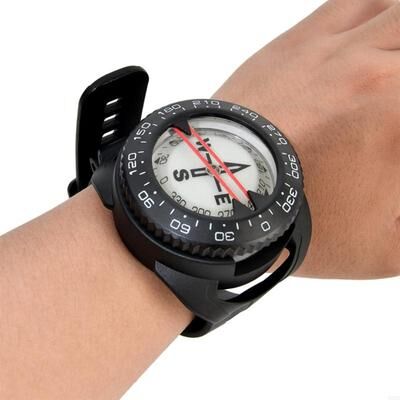
Multisell Products Hub Waterproof Diving Compass Watch For Scuba Navigation And Outdoor Adventure Waterproof Diving Compass Watch For Scuba Navigation And Outdoor AdventureThis reliable diving compass watch is built for those who refuse to lose direction when it matters most. Whether you are exploring beneath the surface or navigating open waters, this tool keeps you confidently on course. Designed for swimmers,...59,97 $*Shipping: 0,00 $Secure redirect to the provider
-
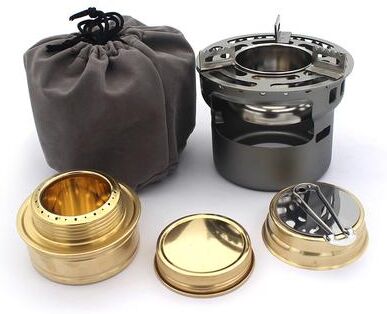
Smart Shopping Spot Portable Stove Burner With Windproof Design For Backpacking & Hiking greenExperience the freedom to cook anywhere with this compact yet powerful portable camping stove built for outdoor adventurers. Designed for hikers, backpackers, and campers, it delivers reliable heat in challenging conditions thanks to its windproof...59,97 $*Shipping: 0,00 $Secure redirect to the provider
-
Multisell Products Hub Tactical Wrist Compass Watch For Hiking, Survival Navigation Gear Tactical Wrist Compass Watch For Hiking, Survival Navigation GearCrafted for those who refuse to get lost, this wrist compass keeps your direction clear when it matters most. Designed for hikers, campers, and outdoor explorers, it delivers reliable navigation without the bulk of traditional gear. The secure strap...59,97 $*Shipping: 0,00 $Secure redirect to the provider
-
Multisell Products Hub Outdoor Hiking Watch With Compass & Carabiner Survival Sports Pocket Watch For Camping, Hiking, And Backpacking orangeGear up for your next adventure with the Hiking Watch designed for explorers, outdoor enthusiasts, and adventurers alike. This allinone survival gadget combines a precision compass, sports pocket watch, and carabiner for easy attachment to your...44,97 $*Shipping: 0,00 $Secure redirect to the provider


-
Why do stomata close at midday?
Stomata close at midday to prevent excessive water loss through transpiration. During the hottest part of the day, the plant can lose a significant amount of water through open stomata, which can lead to dehydration and wilting. By closing the stomata, the plant can conserve water and maintain its turgidity, allowing it to survive the heat and dry conditions. Additionally, closing the stomata can also help to regulate the exchange of gases, such as carbon dioxide and oxygen, within the plant. **
-
What are stomata in plants in biology?
Stomata are small pores found on the surface of plant leaves and stems that are responsible for gas exchange. They allow for the uptake of carbon dioxide for photosynthesis and the release of oxygen and water vapor. Stomata are surrounded by specialized cells called guard cells, which control the opening and closing of the pores to regulate the exchange of gases and the loss of water through transpiration. This process is crucial for the survival and growth of plants. **
-
Why are the stomata located underneath the leaf?
Stomata are located underneath the leaf to reduce water loss through transpiration. Placing the stomata on the underside of the leaf helps to minimize exposure to direct sunlight and wind, which can increase water loss. Additionally, having the stomata on the underside of the leaf helps to protect them from potential damage and blockage by dust and other particles. This positioning also allows for better control of gas exchange and helps to maintain the internal water balance of the plant. **
-
Are dry plants hydrophilic and do they have sunken stomata?
Dry plants are not hydrophilic, as they do not have a strong affinity for water. In fact, they often have adaptations to conserve water, such as waxy cuticles and reduced stomata. Additionally, dry plants may have sunken stomata, which helps to reduce water loss by creating a barrier between the stomata and the external environment. These adaptations are important for the survival of dry plants in arid environments. **

Why do aquatic plants have their stomata on top, moist plants on top, adaptable plants on the bottom, and dry plants have sunken stomata?
Aquatic plants have their stomata on top to facilitate gas exchange with the surrounding water. Moist plants have stomata on top to prevent excessive water loss and maintain a moist environment for photosynthesis. Adaptable plants have stomata on the bottom to regulate water loss and gas exchange based on environmental conditions. Dry plants have sunken stomata to reduce water loss through evaporation and protect the stomata from drying out in arid conditions. **
Why do water plants have their stomata on top, moist plants on top, adaptable plants on the bottom, and dry plants have sunken stomata?
Water plants have their stomata on top to prevent water loss and allow for efficient gas exchange with the atmosphere. Moist plants have their stomata on top to take advantage of the moist air and reduce water loss. Adaptable plants have their stomata on the bottom to minimize water loss and adapt to varying environmental conditions. Dry plants have sunken stomata to reduce water loss and protect the stomata from drying out in arid conditions. Each type of plant has evolved to have stomata placement that best suits their specific environmental needs. **
Top-Angebote
Products related to Stomata:
-
ModernMart Adventure Waterproof Compass Watch For Hiking Navigation And Outdoor Survival Adventure Waterproof Compass Watch For Hiking Navigation And Outdoor SurvivalNever lose your sense of direction, even in the wild. This compass watch is built for explorers, hikers, and outdoor enthusiasts who need reliable navigation on the go. Designed as a rugged outdoor survival watch, it combines precision direction...79,97 $*Shipping: 0,00 $Secure redirect to the provider
-
Wakeman Outdoors Folding Campfire Grill Grate With GlovesCook meals over an open flame with this portable folding grill grate built for camping, fire pits, and outdoor adventures. Made from solid iron with a food-safe surface, it arrives fully assembled and ready to use with no seasoning required.47,49 $*Shipping: 0,00 $Secure redirect to the provider
-
Multisell Products Hub Waterproof Diving Compass Watch For Scuba Navigation And Outdoor Adventure Waterproof Diving Compass Watch For Scuba Navigation And Outdoor AdventureThis reliable diving compass watch is built for those who refuse to lose direction when it matters most. Whether you are exploring beneath the surface or navigating open waters, this tool keeps you confidently on course. Designed for swimmers,...59,97 $*Shipping: 0,00 $Secure redirect to the provider
-
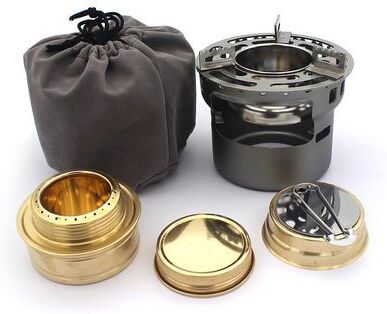
Smart Shopping Spot Portable Stove Burner With Windproof Design For Backpacking & Hiking greenExperience the freedom to cook anywhere with this compact yet powerful portable camping stove built for outdoor adventurers. Designed for hikers, backpackers, and campers, it delivers reliable heat in challenging conditions thanks to its windproof...59,97 $*Shipping: 0,00 $Secure redirect to the provider
-
What are guard cells and stomata?
Guard cells are specialized cells found in the epidermis of plant leaves that surround and control the opening and closing of tiny pores called stomata. Stomata are small openings on the surface of leaves that allow for the exchange of gases such as carbon dioxide and oxygen, as well as the release of water vapor during transpiration. Guard cells regulate the opening and closing of stomata in response to environmental factors such as light intensity, humidity, and carbon dioxide levels to help plants maintain proper gas exchange and water balance. **
-
Why do mesophytes have small stomata?
Mesophytes have small stomata to regulate water loss through transpiration. By having smaller stomata, mesophytes can control the amount of water vapor that escapes from their leaves, helping them to conserve water in environments where water availability may be limited. Additionally, smaller stomata reduce the risk of desiccation in dry conditions, allowing mesophytes to thrive in a variety of habitats. **
-
Why do stomata close at midday?
Stomata close at midday to prevent excessive water loss through transpiration. During the hottest part of the day, the plant can lose a significant amount of water through open stomata, which can lead to dehydration and wilting. By closing the stomata, the plant can conserve water and maintain its turgidity, allowing it to survive the heat and dry conditions. Additionally, closing the stomata can also help to regulate the exchange of gases, such as carbon dioxide and oxygen, within the plant. **
-
What are stomata in plants in biology?
Stomata are small pores found on the surface of plant leaves and stems that are responsible for gas exchange. They allow for the uptake of carbon dioxide for photosynthesis and the release of oxygen and water vapor. Stomata are surrounded by specialized cells called guard cells, which control the opening and closing of the pores to regulate the exchange of gases and the loss of water through transpiration. This process is crucial for the survival and growth of plants. **
Similar search terms for Stomata
-
Multisell Products Hub Tactical Wrist Compass Watch For Hiking, Survival Navigation Gear Tactical Wrist Compass Watch For Hiking, Survival Navigation GearCrafted for those who refuse to get lost, this wrist compass keeps your direction clear when it matters most. Designed for hikers, campers, and outdoor explorers, it delivers reliable navigation without the bulk of traditional gear. The secure strap...59,97 $*Shipping: 0,00 $Secure redirect to the provider
-
Multisell Products Hub Outdoor Hiking Watch With Compass & Carabiner Survival Sports Pocket Watch For Camping, Hiking, And Backpacking orangeGear up for your next adventure with the Hiking Watch designed for explorers, outdoor enthusiasts, and adventurers alike. This allinone survival gadget combines a precision compass, sports pocket watch, and carabiner for easy attachment to your...44,97 $*Shipping: 0,00 $Secure redirect to the provider
-
Smart Shopping Spot Portable Stove Burner With Windproof Design For Backpacking & Hiking blackExperience the freedom to cook anywhere with this compact yet powerful portable camping stove built for outdoor adventurers. Designed for hikers, backpackers, and campers, it delivers reliable heat in challenging conditions thanks to its windproof...59,97 $*Shipping: 0,00 $Secure redirect to the provider
-
Smart Shopping Spot Portable Stove Burner With Windproof Design For Backpacking & Hiking greyExperience the freedom to cook anywhere with this compact yet powerful portable camping stove built for outdoor adventurers. Designed for hikers, backpackers, and campers, it delivers reliable heat in challenging conditions thanks to its windproof...59,97 $*Shipping: 0,00 $Secure redirect to the provider
-
Why are the stomata located underneath the leaf?
Stomata are located underneath the leaf to reduce water loss through transpiration. Placing the stomata on the underside of the leaf helps to minimize exposure to direct sunlight and wind, which can increase water loss. Additionally, having the stomata on the underside of the leaf helps to protect them from potential damage and blockage by dust and other particles. This positioning also allows for better control of gas exchange and helps to maintain the internal water balance of the plant. **
-
Are dry plants hydrophilic and do they have sunken stomata?
Dry plants are not hydrophilic, as they do not have a strong affinity for water. In fact, they often have adaptations to conserve water, such as waxy cuticles and reduced stomata. Additionally, dry plants may have sunken stomata, which helps to reduce water loss by creating a barrier between the stomata and the external environment. These adaptations are important for the survival of dry plants in arid environments. **
-
Why do aquatic plants have their stomata on top, moist plants on top, adaptable plants on the bottom, and dry plants have sunken stomata?
Aquatic plants have their stomata on top to facilitate gas exchange with the surrounding water. Moist plants have stomata on top to prevent excessive water loss and maintain a moist environment for photosynthesis. Adaptable plants have stomata on the bottom to regulate water loss and gas exchange based on environmental conditions. Dry plants have sunken stomata to reduce water loss through evaporation and protect the stomata from drying out in arid conditions. **
-
Why do water plants have their stomata on top, moist plants on top, adaptable plants on the bottom, and dry plants have sunken stomata?
Water plants have their stomata on top to prevent water loss and allow for efficient gas exchange with the atmosphere. Moist plants have their stomata on top to take advantage of the moist air and reduce water loss. Adaptable plants have their stomata on the bottom to minimize water loss and adapt to varying environmental conditions. Dry plants have sunken stomata to reduce water loss and protect the stomata from drying out in arid conditions. Each type of plant has evolved to have stomata placement that best suits their specific environmental needs. **
* All prices are inclusive of VAT and, if applicable, plus shipping costs. The offer information is based on the details provided by the respective shop and is updated through automated processes. Real-time updates do not occur, so deviations can occur in individual cases. ** Note: Parts of this content were created by AI.